Fifty seats for women, but who will they really represent?
Source: The Daily Star
By mid-May, the parliament will have completed the process of filling the 50 reserved seats for women. On Monday, the ruling BNP announced the names of its candidates for the 36 seats allocated to it in proportion to its representation in parliament, while Jamaat-e-Islami and others are expected to announce theirs soon. But in the wake of a mass uprising that intensified calls for parliamentary reforms—including increasing women’s reserved seats and holding direct elections for them—this otherwise routine procedure has become a test of whether the country is willing to move from symbolic inclusion to meaningful power-sharing.
And unless the current system is fundamentally reimagined, it risks reinforcing the very inequalities it claims to dismantle.
Ensuring equal participation and representation of women in parliament is not just a matter of democratic justice; it is foundational to democracy itself. But representation must go beyond tokenistic gestures. It must reflect the full diversity of women’s lived realities across class, ethnicity, religion, disability, and identity. Without this, inclusion becomes illusion, and democracy becomes exclusionary by design.
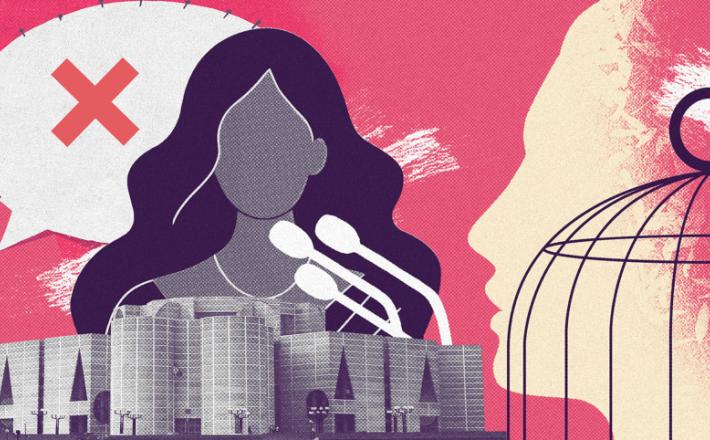
By mid-May, the parliament will have completed the process of filling the 50 reserved seats for women. On Monday, the ruling BNP announced the names of its candidates for the 36 seats allocated to it in proportion to its representation in parliament, while Jamaat-e-Islami and others are expected to announce theirs soon. But in the wake of a mass uprising that intensified calls for parliamentary reforms—including increasing women’s reserved seats and holding direct elections for them—this otherwise routine procedure has become a test of whether the country is willing to move from symbolic inclusion to meaningful power-sharing.
And unless the current system is fundamentally reimagined, it risks reinforcing the very inequalities it claims to dismantle.
Ensuring equal participation and representation of women in parliament is not just a matter of democratic justice; it is foundational to democracy itself. But representation must go beyond tokenistic gestures. It must reflect the full diversity of women’s lived realities across class, ethnicity, religion, disability, and identity. Without this, inclusion becomes illusion, and democracy becomes exclusionary by design.